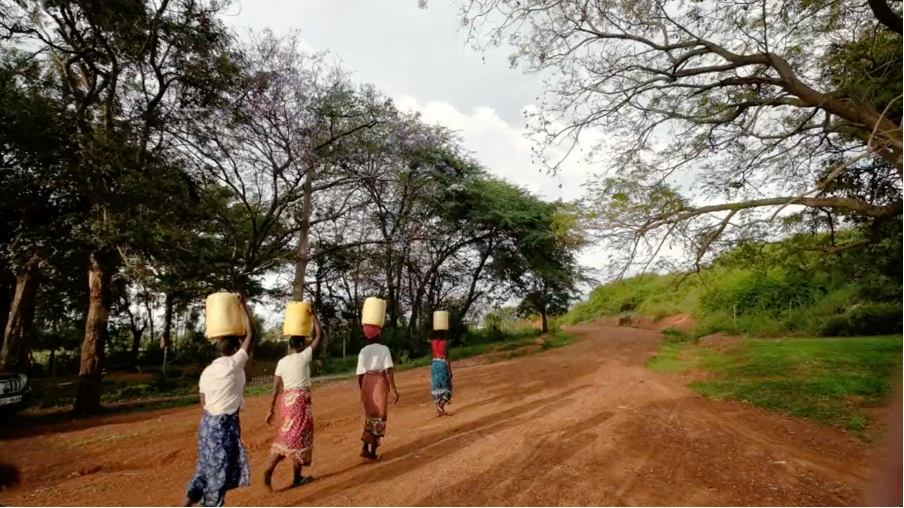
Stop The Walk

We have set a challenge this June.

All these 10 communities listed below, are on a waiting list for clean water.
Each one is desperate. Every situation is critical.

Collectively, these communities are walking 20,000 kilometres every single day just to collect contaminated water. This is a real fact, we have taken the time to visit each community.

Here’s the part your mind will not be able to fathom….

That’s the equivalent of:
Walking halfway around the globe every day.
or
Walking from Perth to Sydney five times in a single day.
This is not just distance.
This is daily survival.

Our goal is to bring them all safe clean drinking water.

Partner with us to STOP THEIR WALK

Just $4.50 changes one life or you can sponsor an entire community and everything in-between. Every drop truly counts.

EOFY – June 30. All donations over $2 are tax deductible.

USA Donors – you can make a tax efficient gift in US Dollars Donate in US$ Here

Community Details

  1. Ibumila Village
  2. Mgama Village
  3. Kitowo Village
  4. Mwanzi Village
  5. Masege Village
  6. Kibengu Health Centre
  7. Mtambula Village
  8. Kiyowela Village
  9. Makungu Health Centre
  10. Ihanu Village

You might be wondering how we define ‘desperate’ and ‘critical’. Here’s why.

Kibengu Health Centre in the Mufindi District of the Iringa Region, are facing a shared and urgent challenge that is directly impacting the safety of mothers and newborns during childbirth.
At both centres, there is no reliable access to clean water on-site. When labour begins, women are often left with no choice but to find and bring all the water needed for delivery into the birthing room before they can give birth. In some cases, this responsibility falls not only on families, but on women in active labour themselves, at a moment when they should be receiving urgent care and support. In the search for water, we have heard reports of women giving birth on the way, resulting in heartbreaking outcomes.

Without water immediately available, essential practices such as sterilising equipment, cleaning delivery spaces, and maintaining hygiene during birth are compromised. What should be a safe, supported, and dignified experience instead becomes one marked by urgency, risk, and preventable tragedy.